

Understanding the psychology behind gambling behavior in the casino environment
The Thrill of Risk
The allure of gambling often lies in the thrill of risk-taking. Casinos are designed to create an environment that amplifies this excitement, with flashing lights, vibrant sounds, and engaging games. This sensory stimulation triggers a rush of adrenaline, leading players to seek the euphoric highs associated with winning. The unpredictable nature of gambling means that every bet could potentially lead to a life-changing payout, intensifying the desire to gamble. As players explore various platforms, one that stands out is chicken road, which offers a unique blend of fun and excitement.
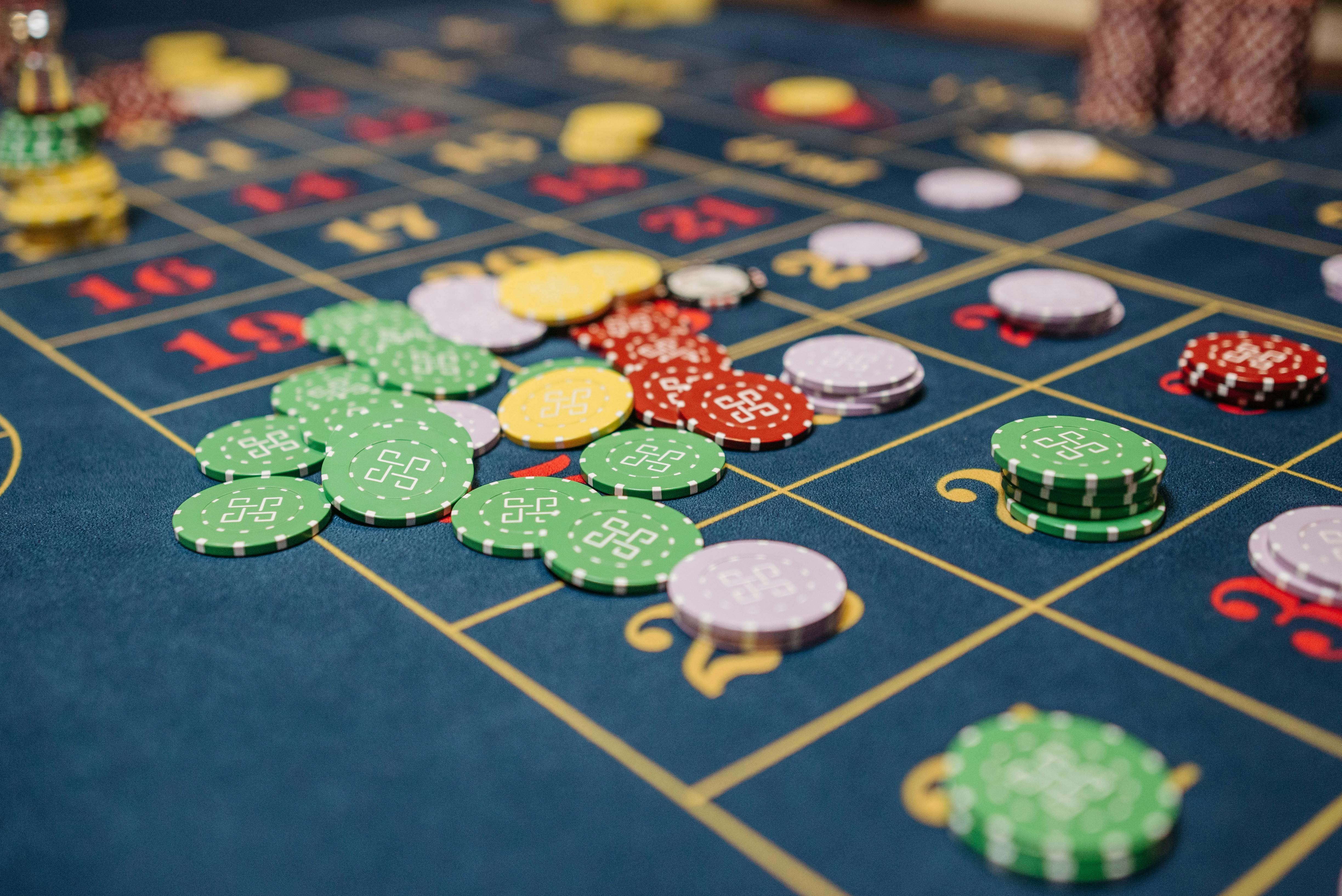
This excitement is further compounded by the psychology of loss aversion. Players often experience a stronger emotional response to losses than to equivalent gains. This can lead to a cycle of chasing losses, where individuals continue to gamble in hopes of recouping what they have lost, thus deepening their involvement and investment in the casino experience.
The Role of Cognitive Biases
Cognitive biases play a significant role in how individuals perceive their chances of winning in a casino. For instance, the illusion of control leads gamblers to believe they can influence the outcome of games that are fundamentally based on chance. This belief can prompt players to engage more frequently in gambling activities, even when statistical evidence suggests otherwise. The concept of the chicken road serves as a reminder of how such biases can shape our decisions.
Another common cognitive bias is the gambler’s fallacy, where individuals assume that past outcomes will influence future results. For example, if a roulette ball lands on red several times in a row, players may erroneously believe that black is ‘due’ to win. This misunderstanding of probability can lead to reckless betting behavior and can encourage continued participation in gambling activities.
Social Influences on Gambling Behavior
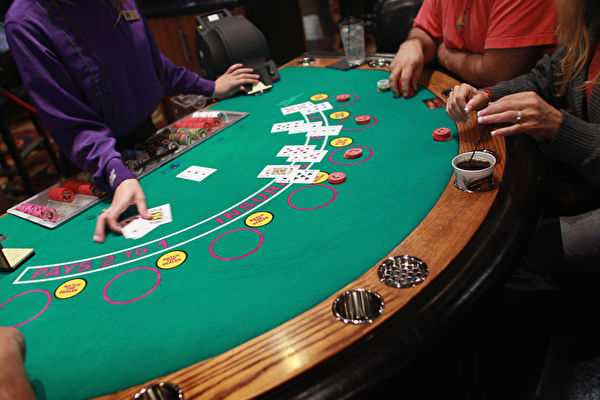
The social environment in casinos can also significantly impact gambling behavior. Many people gamble in groups, which can create a sense of camaraderie and shared excitement. This social aspect can enhance the overall experience, making gambling more appealing. Friends or family members who gamble together may encourage each other to take risks, further fueling the desire to win.
Moreover, the social reinforcement that occurs when individuals share their experiences, wins, and losses can create a community feel within the casino. This communal aspect may lead to increased gambling behavior, as people are often motivated by the prospect of shared success and recognition among peers.
The Emotional Rollercoaster of Gambling
Gambling is an emotional experience that can lead to intense feelings of euphoria when winning or distress when losing. The highs of winning can create a euphoric state that reinforces gambling behavior, while the lows of losing can lead to frustration and a desire to continue playing in an attempt to alleviate those feelings. This emotional rollercoaster can cause gamblers to become trapped in a cycle of gambling, unable to break free from the highs and lows.
Understanding these emotional triggers is essential for addressing responsible gambling. Acknowledging the psychological aspects of gambling can help individuals recognize when their behavior may be crossing into harmful territory, allowing them to seek help and implement strategies to mitigate risk.
Exploring Chicken Road: A Unique Gaming Experience
Chicken Road exemplifies the blend of excitement and psychology in modern gaming. Offering fast-paced, crash-style gameplay, it attracts both casual gamers and thrill-seekers. The design encourages quick decision-making, where players must place bets and cash out before tension peaks, amplifying the emotional stakes involved. This dynamic creates a unique gaming atmosphere that resonates well with the core elements of gambling psychology.
By engaging with platforms like Chicken Road, players can explore these psychological dynamics in a risk-free environment, through demo versions or real money games. This allows individuals to experience the thrill of gambling while maintaining awareness of the psychological factors at play, promoting a more informed and responsible gaming experience.
Leave a Reply